
Video has become one of the easiest methods people consume information in the present. A short clip often communicates more than a large page of text. Visual content allows users to browse through social feeds and discover products, and watch instructional videos. The problem has always been creation. Professional video used to require equipment, editing expertise along with patience, time and effort. AI video technology has now closed the gap.
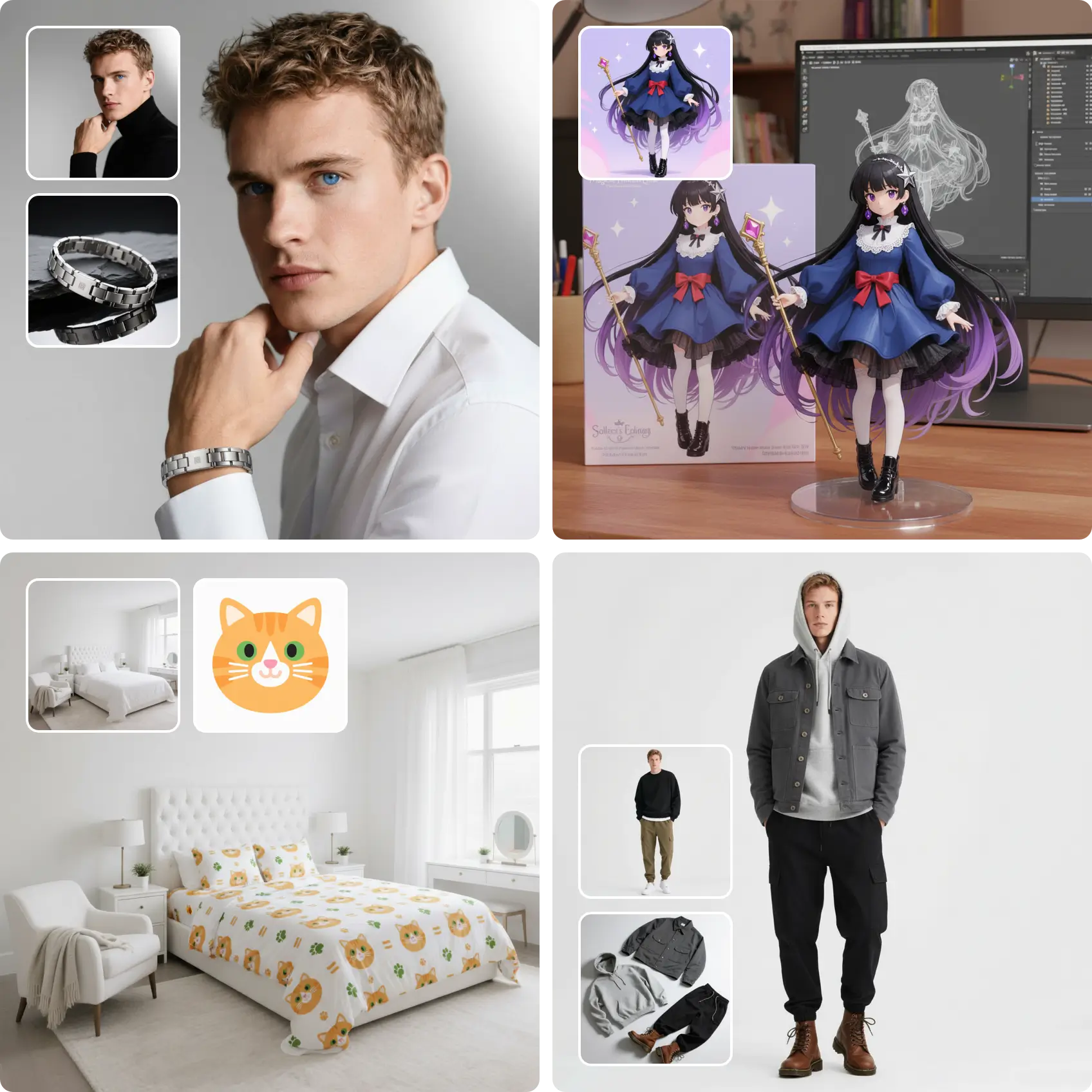
Image credit: vivideo.ai
Vivideo.ai allows anyone to create professional-looking videos without any having any technical knowledge. Instead of worrying about complicated software or complex timelines, users can concentrate on what they’re trying to convey. The system handles all the rest on its own.
A Different Method of Video Creation
Video production is a complex process. Planning, filming, editing, voice recording, exporting. Each step requires equipment, staff and money. A video maker AI simplifies the process by combining it into one process. You describe your idea. It creates an entire video.
It is now possible to anyone create content. Small business owners make videos to promote their business. Teachers create lessons. Coaches can share training materials. Social creators maintain consistency without burning out. The process of editing is similar to writing.
The process of turning ideas into visual content
One of the most beneficial functions today is text to video. You paste a script. The AI will select images that are in line with your message. Music is automatically played. Voice narration gets added in a natural tone. The end result could have needed a full production team in the past.
This removes hesitation. The people no longer have to wait for perfect conditions. They test their ideas fast. Based upon feedback, they can improve their content. They post more often since the barrier is perceived as low.
Motion to static images
Another powerful tool is image to video. The photos themselves are often flat. AI creates visual flow, motion and timing. A few images turn into a story. An image of a product can transform into an encapsulated promo. Slides become a visual lesson.
It is also helpful for online presentations as well as product launches, storytelling and other. It doesn’t require you to be an an expert in animation. The system is able to create motions that look natural.
Editing without frustration
Traditional editing tools are a nightmare for novices. Layers, timelines, formats confuse most people. AI platforms ease this burden. Users alter scenes with simple controls. Users are able to alter the pace. They switch visuals. Narration is rewritten.
Subtitles automatically appear in several languages. That helps reach wider audiences. Additionally, it increases accessibility for viewers that prefer captions.
Voices that Sound Real
Artificial intelligence voice technology has developed to the point where it is able to make human sounds. You decide on tone, language, or style. Choose the voice that is most appropriate to your message. No microphones are required. No studio setup. No Retakes.
Some platforms even include digital presenters. These avatars talk on screen. They’re ideal for training materials, explainers and updates to business. They make the message seem authentic without the need for filming.
Quality without compromise
AI-generated video output is compatible with high-resolution. The content is compatible with YouTube, TikTok Instagram and LinkedIn. The formats automatically adjust. You create once. You can share it anywhere.
This saves time. The branding is consistent across every platform.
The reason AI video feels different
The main change is not technically based. It’s an experience of emotion. People are no longer worried about tools. Focus is on concepts. They experiment with confidence. They are free to experiment.
Vivideo.ai transforms video creation into something more natural. You are thinking. You write. You publish. You release.
AI video does not replace creativity. It can reduce friction. It lets people communicate stories, share lessons and information without being hindered by complicated. The future of content is lighter, speedier, and more human.